
MERV 11 Air Filters: Benefits, Efficiency, and Why Oklahoma Homeowners Consider Them
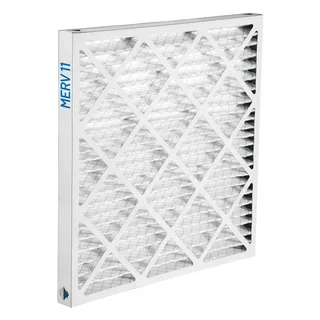
Oklahoma homes deal with seasonal dust, pollen, strong winds, and long periods of heating and cooling. During these conditions, choosing a properly fitted HVAC filter and replacing it when needed can help manage airborne particles and maintain system airflow. A MERV 11 air filters option offers higher particle-capture efficiency than MERV 8, but it is not automatically right for every home. The best choice depends on your HVAC manufacturer’s guidance, filter size, airflow requirements, and household conditions. This guide explains MERV 11 efficiency, how it compares with other ratings, and what Oklahoma homeowners should consider before ordering. What Does MERV 11 Actually Mean? MERV stands for Minimum Efficiency Reporting Value. ASHRAE Standard 52.2 measures a filter’s minimum average efficiency across three particle-size ranges. For MERV 11, the classification requires: E1, 0.3–1.0 microns: at least 20% E2, 1.0–3.0 microns: at least 65% E3, 3.0–10.0 microns: at least 85% These are standardized particle-capture ratings, not a guarantee of how much a particular filter will improve indoor air quality. Filter construction, airflow, installation, and operating conditions affect real-world results. Why MERV 11 Can Be Useful in Oklahoma Homes Windblown Dust Dry, windy conditions can increase outdoor dust. Some particles enter homes through normal ventilation and openings around doors and windows. A correctly installed MERV 11 filter can capture a portion of the airborne particles that pass through the HVAC system. Seasonal Pollen Pollen levels change throughout the year. MERV 11 captures more particles in its tested size ranges than MERV 8, although no residential HVAC filter removes every allergen. Pets and Indoor Activity Pets, cooking, cleaning, and remodeling can add particles indoors. These conditions may cause filters to load more quickly, so regular inspections matter. Balancing Filtration and HVAC Airflow A higher MERV rating can be associated with increased pressure drop, but resistance cannot be predicted from the rating alone. Media area, pleat design, filter depth, airflow rate, and dust loading all matter. Before upgrading to a MERV 11 HVAC or furnace filter, confirm the filter dimensions and review the manufacturer’s recommendations. If the system already has airflow problems, ask an HVAC technician to check static pressure. For higher filtration goals, the U.S. EPA recommends MERV 13, or the highest-efficiency filter the system’s fan and filter slot can accommodate. MERV 8 vs MERV 11 vs MERV 13: Comparison Performance MERV 8 MERV 11 MERV 13 E1: 0.3–1.0 µm Not rated ≥20% ≥50% E2: 1.0–3.0 µm ≥20% ≥65% ≥85% E3: 3.0–10 µm ≥70% ≥85% ≥90% Pressure drop Depends on design Depends on design Depends on design System suitability Check equipment Check equipment Check equipment If you are comparing alternatives, browse MERV 8 filters, MERV 11 air filters, and MERV 13 filters. Choose by both filtration performance and HVAC compatibility, not the rating alone. Maintenance Benefits of a Properly Fitted MERV 11 Filter Particle Capture MERV 11 offers higher minimum efficiency than MERV 8 in the standardized particle-size ranges. Equipment Cleanliness Capturing airborne dust can help limit buildup on downstream HVAC components, provided the filter is installed correctly. Consistent Airflow Regular inspection and timely replacement help prevent a heavily loaded filter from restricting airflow. How Often Should You Replace a MERV 11 Filter? There is no single 30-, 60-, or 90-day rule for every Oklahoma household. Replacement depends on filter depth, HVAC runtime, pets, outdoor dust, smoke, and manufacturer guidance. Standard 1-Inch Filters Check monthly, particularly during heavy heating or cooling. Replace when visibly dirty or when recommended by the filter or equipment manufacturer. Deeper 4-Inch or 5-Inch Media Filters Deeper filters can offer more media area and may have longer service intervals, but only use them in a compatible filter cabinet and follow the specific product’s maintenance instructions. If keeping replacements on hand is difficult, consider an air filter subscription in Oklahoma with a schedule suited to your home. How Filter Thickness Affects Performance A deeper pleated filter can have more media area than a similarly sized 1-inch filter. That may help manage pressure drop, but depth alone does not guarantee lower resistance. Always compare the actual filter specifications and confirm the cabinet accepts the required depth. Check the equipment manual and recommended filter rating. Verify nominal and actual filter dimensions. Confirm the required depth and a secure fit. Ask a technician to assess static pressure when compatibility is uncertain. Choosing the Right MERV 11 Air Filter in Oklahoma MERV 11 may suit homeowners who want stronger filtration than MERV 8 without automatically moving to MERV 13. The appropriate rating depends on the equipment and the type of particles you want to reduce. Before buying, confirm the size, depth, filter pressure-drop information where available, and how often your current filter loads with dust. For more options, browse air filter products from Right Time Filters. Frequently Asked Questions Is MERV 11 better than MERV 8? MERV 11 captures a larger percentage of smaller particles under standardized testing. Whether it is the better choice depends on HVAC compatibility and your filtration goals. Is MERV 11 suitable for homes with pets? It may be useful for capturing smaller pet-related particles, but filter performance depends on proper sizing, installation, and regular replacement. Will a MERV 11 filter restrict airflow? Any filter creates some resistance. The amount depends on the product design, airflow, and dust loading, so review system specifications rather than assuming all MERV 11 filters behave alike. How often should I inspect a MERV 11 filter? Monthly inspection is a practical starting point, especially during periods of heavy HVAC use. Follow manufacturer instructions for replacement. Can I upgrade from MERV 11 to MERV 13? Possibly. Confirm that the HVAC fan, ductwork, and filter slot can accommodate the specific higher-efficiency filter. Where can I find ordering and subscription information? Right Time Filters offers product ordering and scheduled delivery options; check the product and FAQ pages for current details. Shop MERV 11 Filters for Your Oklahoma Home If your HVAC system is compatible with MERV 11, you can MERV 11 air filters from Right Time Filters in available
Complete Guide to MERV 8 Air Filters for Oklahoma Homes
Living in Oklahoma means dealing with seasonal dust, pollen, strong winds, and long periods of heavy heating and cooling use. During hot summer weather, air conditioners may run for extended periods, while winter conditions can place additional demand on furnaces and heat pumps. For many homeowners, a MERV 8 air filter in Oklahoma can provide a practical balance between everyday particle capture and airflow when the HVAC system is designed for that level of filtration. The right filter still depends on the equipment, filter dimensions, system airflow, household conditions, and the manufacturer’s specifications. This guide explains what MERV 8 means, what it captures, how it compares with higher ratings, and how to maintain the filter without putting unnecessary strain on your HVAC system. What Does MERV 8 Actually Mean? MERV stands for Minimum Efficiency Reporting Value. The rating comes from the ASHRAE 52.2 test method used to compare how effectively air filters capture particles within standardized size ranges. MERV ratings are evaluated across three particle-size ranges: E1: 0.3 to 1.0 microns E2: 1.0 to 3.0 microns E3: 3.0 to 10.0 microns For MERV 8, the minimum average efficiencies used for classification are: E1, 0.3 to 1.0 microns: not rated E2, 1.0 to 3.0 microns: 20% or greater E3, 3.0 to 10.0 microns: 70% or greater These numbers describe standardized particle-capture performance. They do not tell you the pressure drop of every MERV 8 filter or whether a specific product is automatically suitable for your HVAC system. EPA guidance on MERV ratings Why Airflow Matters During an Oklahoma Summer Oklahoma can experience extended periods of high summer temperatures, which means residential cooling systems may operate for long stretches. As any HVAC filter becomes loaded with dust and debris, pressure drop can rise and airflow can fall. Reduced Airflow Your HVAC system needs adequate airflow across the heat-exchange components. The correct airflow target depends on the equipment and system design, so the manufacturer’s specifications should take priority over generic rules. Coil-Freezing Risk Significantly restricted airflow across an evaporator coil can contribute to freezing. If a system repeatedly develops ice, has weak airflow, or struggles to maintain temperature, the equipment should be inspected rather than assuming the filter is the only cause. Additional System Strain A heavily loaded filter can increase airflow resistance and make the HVAC system work harder. Regular inspection and timely replacement help reduce avoidable airflow problems. ENERGY STAR heating and cooling maintenance guidance MERV 8 vs MERV 11 vs MERV 13 Filter Type E1: 0.3–1.0 µm E2: 1.0–3.0 µm E3: 3.0–10 µm Typical Use MERV 8 Pleated Not rated ≥20% ≥70% General residential filtration MERV 11 Pleated ≥20% ≥65% ≥85% Stronger particle capture MERV 13 Pleated ≥50% ≥85% ≥90% Higher-efficiency filtration A higher MERV rating captures smaller particles more efficiently, but that does not automatically mean every higher-rated filter creates excessive resistance. Pressure drop varies by filter design, thickness, pleat area, airflow, and how heavily the filter is loaded. If you are comparing options, Right Time Filters also offers MERV 11 air filters and higher-efficiency filters through its air filter product range. The Oklahoma Red Dirt Factor Oklahoma homes can experience significant outdoor dust exposure during dry and windy conditions. Soil particles and other outdoor debris can enter through doors, windows, normal air exchange, and small gaps around the building envelope. As a filter collects dust, its pressure drop can increase. The rate depends on the filter design, particle levels in the home, HVAC runtime, pets, construction activity, and other conditions. A pleated MERV 8 filter can capture a meaningful portion of larger airborne particles while remaining a common option for systems designed around this level of filtration. When Is a MERV 8 Filter Suitable for Your Home? A MERV 8 filter may be a practical option when: Your HVAC manufacturer recommends or allows MERV 8 filtration. General household dust and pollen control are your main priorities. Your system has limited airflow capacity and requires a lower-resistance option. The filter fits the slot correctly without gaps, bending, or crushing. Your household does not require higher-efficiency filtration for smoke or very fine particles. When Should You Consider MERV 11 or MERV 13? A higher-efficiency filter may be worth considering when: You want stronger capture of smaller airborne particles. Your home has pets and you want additional filtration of fine dander. Your home is affected by smoke or fine particulate pollution. Your HVAC manufacturer confirms that the system can accommodate the higher-efficiency filter. You have a compatible deeper media cabinet that supports the filter design you want to use. EPA recommends using MERV 13, or the highest-efficiency filter the HVAC system’s fan and filter slot can accommodate, when higher filtration is desired. Compatibility should be confirmed before upgrading. EPA guidance on choosing the highest compatible filter efficiency How Often Should You Replace a MERV 8 Filter in Oklahoma? There is no single Oklahoma-wide replacement schedule. Filter life depends on the filter itself, HVAC runtime, pets, dust, smoke, construction activity, household size, and manufacturer guidance. A practical approach is to inspect the filter monthly, especially during heavy cooling or heating seasons. Replace it when it becomes visibly dirty or according to the filter and HVAC manufacturer’s instructions. If remembering replacement dates is difficult, an air filter subscription in Oklahoma can help you keep replacement filters arriving on a schedule you select. Simple MERV 8 Filter Maintenance Tips Install the Filter in the Correct Direction Most pleated filters include an airflow arrow on the frame. Install the filter according to the arrow and the HVAC manufacturer’s instructions. The arrow generally points toward the blower or air handler. Check the Fit to Reduce Air Bypass A filter that is too small can allow air to move around the frame instead of through the filter media. Measure the existing filter and confirm both nominal and actual dimensions when necessary. Watch for Excessive Loading or Frame Problems Inspect the filter regularly. Heavy dust loading can increase pressure drop. If the frame bends, collapses, or repeatedly
MERV 8 vs MERV 11 vs MERV 13 Air Filters: Which One Is Right for Your HVAC System?
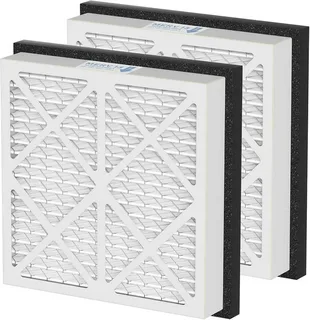
Oklahoma weather can put a lot of material into the air around a home. Wind, red dirt, pollen, pet dander, smoke, and everyday household dust all end up competing for space in your HVAC filter. The challenge is choosing a filter that captures the particles you care about without creating more airflow resistance than your system can comfortably handle. For most homeowners, the choice eventually comes down to MERV 8, MERV 11, or MERV 13. Higher MERV ratings generally capture smaller particles more effectively, but the right filter still depends on your HVAC system, filter size, ductwork, household conditions, and indoor-air priorities. There is no universal best MERV rating for every home. A compatible MERV 13 filter may be a strong option for one system, while another system may perform better with MERV 8 or MERV 11. The safest approach is to match filtration efficiency to the equipment rather than choosing by rating alone. What Does MERV Mean? MERV stands for Minimum Efficiency Reporting Value. It is a rating system developed through ASHRAE Standard 52.2 to compare how effectively air filters capture particles in different size ranges. In general, a higher MERV number means the filter captures a larger share of smaller particles. For homeowners, the important point is that MERV describes filtration performance, not whether a specific filter is automatically compatible with a particular furnace or air handler. Filter design, thickness, surface area, airflow rate, and system static pressure all matter. MERV 8: Practical Everyday Filtration A MERV 8 air filter is a common residential choice for general dust and pollen control. It provides a meaningful step up from basic low-efficiency fiberglass filters while typically keeping airflow resistance relatively modest. What MERV 8 Is Designed to Capture Common household dust and lint Larger pollen particles Dust-mite debris Some pet-related particles Larger outdoor debris that enters the HVAC return MERV 8 can be a practical option for homes that mainly want routine equipment protection and everyday particle control. It can also make sense when the HVAC system has limited airflow capacity or when the manufacturer recommends a lower-resistance filter. MERV 11: A Strong Middle Ground for Many Homes A MERV 11 air filter captures smaller particles than MERV 8 while remaining a common residential option. For many Oklahoma households, it offers a useful balance between stronger filtration and HVAC compatibility. What MERV 11 Can Add Improved capture of smaller dust particles Better control of pet dander and mold spores Stronger filtration of fine outdoor particles More particle capture than standard MERV 8 filtration MERV 11 is often worth considering for homes with pets, seasonal pollen concerns, or higher dust levels. The filter should still be changed before it becomes heavily loaded, because any filter can create more resistance as it fills with debris. MERV 13: Higher-Efficiency Residential Filtration A MERV 13 air filter provides substantially higher particle-removal efficiency than MERV 8 or MERV 11, including stronger performance in the smaller particle ranges measured under the MERV standard. When MERV 13 May Be Worth Considering Homes dealing with smoke or fine airborne particles Households that want higher-efficiency filtration Homes with compatible HVAC systems and adequate airflow Situations where the manufacturer or an HVAC professional confirms MERV 13 is appropriate The U.S. Environmental Protection Agency notes that many residential HVAC systems can accommodate MERV 13, but homeowners should confirm compatibility when they are unsure. A higher-efficiency filter is only useful if the system can move the required amount of air through it. MERV 8 vs MERV 11 vs MERV 13: Quick Comparison Feature MERV 8 MERV 11 MERV 13 General use Everyday filtration Enhanced residential filtration Higher-efficiency filtration Particle capture Larger common particles Smaller particles than MERV 8 Strongest of the three in smaller size ranges Typical household fit Basic dust/pollen control Pets, dust, stronger filtration goals Fine particles, smoke, higher filtration goals Airflow consideration Usually lower resistance Moderate, varies by filter/system Compatibility should be confirmed Best decision factor System needs + basic filtration Balance of filtration and airflow Higher filtration with verified system compatibility Filter Thickness Matters as Much as the MERV Number A common mistake is comparing MERV ratings without looking at filter thickness and total media area. A deeper pleated filter can provide much more surface area than a thin 1-inch filter. That additional area can help distribute airflow across more media. However, a 4-inch filter is not automatically lower-resistance than every 1-inch filter. Pressure drop depends on the specific product, media design, airflow rate, loading condition, and HVAC system. Compare manufacturer data whenever possible rather than assuming thickness alone determines resistance. If your system has a dedicated 4-inch or 5-inch media cabinet, you may have more options for higher-efficiency filtration. If your system uses a narrow 1-inch return slot, compatibility deserves more attention before increasing the MERV rating. How to Check Whether Your HVAC System Can Handle a Higher MERV Filter Check the furnace or air-handler manual for the recommended filter type, size, and maximum allowable resistance. Confirm the filter fits snugly without bending, crushing, or leaving gaps that allow air to bypass the media. Watch for new airflow symptoms after a filter change, such as unusual whistling, noticeably weaker supply airflow, or comfort problems. Have an HVAC technician measure system static pressure with a manometer if you are unsure about airflow capacity. A hand test at a supply register can alert you to a noticeable change, but it cannot replace an actual airflow or static-pressure measurement. If the system already has airflow problems, upgrading filtration without checking the equipment can make those problems more noticeable. How Often Should You Replace a MERV 8, 11, or 13 Filter? There is no single replacement interval that applies to every home. Filter loading depends on HVAC runtime, pets, dust, smoke, construction activity, filter depth, household size, and the filter itself. Many 1-inch residential filters are checked or replaced within roughly 30 to 90 days, but the correct interval may be shorter or longer. Deep-media filters can often remain in
Best Air Filters in Oklahoma: How to Choose the Right Filter for Your Home
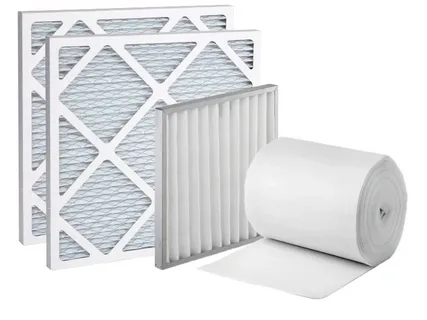
Oklahoma homes face changing conditions throughout the year, from windy, dusty days to seasonal pollen and long stretches of heating or air-conditioning use. A suitable HVAC filter can help capture airborne particles circulating through your system, but the best choice depends on your equipment, filter size, and household needs. If you are comparing home air filters in Oklahoma, start with three questions: What size fits your system? Which MERV rating can your equipment support? And how often should you inspect or replace the filter? This guide explains each step so you can make a practical choice without relying on exaggerated product claims. Why Oklahoma Homeowners Should Pay Attention to HVAC Filtration Dust from outdoor conditions can enter through doors, windows, and ventilation openings. Pollen, pet dander, cooking particles, and other indoor sources can also affect the air in a home. A properly selected filter captures some of these particles as air moves through the HVAC system. It does not remove every pollutant, and it only filters air while the system fan is running. Homes near open land, busy roads, or areas affected by smoke may experience different particle conditions. The right filter is one part of indoor air quality management, alongside source control, cleaning, and appropriate ventilation. What Does a MERV Rating Mean? MERV stands for Minimum Efficiency Reporting Value. It measures a filter’s ability to capture particles across specified size ranges. In general, a higher MERV rating means better capture of smaller particles, but the filter must also be compatible with the HVAC system’s airflow requirements. MERV 8: Everyday Household Filtration MERV 8 is a common residential option for capturing larger airborne particles, including many types of household dust and pollen. It can be a practical choice where equipment compatibility or basic filtration is the priority. It is less effective at capturing very fine particles than higher-rated options. Right Time Filters offers MERV 8 air filters alongside other filtration levels for residential systems. MERV 11: An Intermediate Option MERV 11 provides better capture of some smaller particles than MERV 8. It may suit households looking for a higher filtration level without moving immediately to MERV 13. Whether it is appropriate depends on the particular filter’s resistance and the system’s airflow capacity. Compare available MERV 11 filters with the size and specifications of your current filter. MERV 13: Higher-Efficiency Particle Capture MERV 13 filters capture a greater share of fine airborne particles, including some smoke-related particles, than lower-rated filters. The U.S. Environmental Protection Agency recommends MERV 13, or the highest rating a home HVAC system can accommodate. A higher rating should not be selected without checking the system manual or consulting an HVAC professional when compatibility is uncertain. You can review MERV 13 air filters available from Right Time Filters, then confirm the appropriate size and airflow requirements before ordering. MERV 8 vs. MERV 11 vs. MERV 13: Quick Comparison Rating General purpose Main consideration MERV 8 Everyday capture of larger particles Less effective on fine particles MERV 11 Improved capture of some smaller particles Check airflow compatibility MERV 13 Higher-efficiency fine-particle filtration Use only if system can accommodate it No MERV rating guarantees relief from allergies or respiratory conditions. Filter performance depends on fit, system operation, maintenance, and other indoor air quality factors. Which Air Filter Type Should You Choose? Fiberglass Panel Filters Basic fiberglass filters typically offer relatively low particle-capture efficiency. They are commonly used to protect equipment from larger debris rather than to provide substantial fine-particle filtration. Pleated Disposable Filters Pleated filters provide additional filter media surface area within a given frame size. Their performance varies by material, MERV rating, thickness, and design. They are a common residential option when sized and selected correctly. Deep Media Filters Four- and five-inch media filters may offer greater filter surface area and longer service intervals, but they require a compatible cabinet or filter slot. Do not assume a deep filter will fit a standard one-inch opening or that it can be used for a full year without inspection. Carbon and Washable Filters Some filters include activated carbon to address certain odors or gases, but performance varies and a thin carbon layer does not remove every odor or volatile compound. Washable filters require cleaning and complete drying according to manufacturer instructions. Their filtration efficiency also varies, so compare specifications rather than assuming either format is universally better. How to Find the Correct Air Filter Size Most filters display a nominal size, such as 16 × 20 × 1 or 20 × 25 × 1 inches. Actual dimensions may differ slightly between products and manufacturers. Use the equipment instructions and existing filter specifications to confirm the correct replacement. Check the size printed on the current filter and the HVAC equipment manual. Confirm the actual dimensions if the existing fit is uncertain. Choose a filter that fits snugly without bending, crushing, or leaving obvious gaps. Make sure the airflow arrow points in the direction specified for your system. Poor fit can allow air to bypass the filter. The EPA advises selecting a snug fit so air does not leak around the filter edges. How Often Should You Change an HVAC Filter in Oklahoma? There is no single replacement schedule for every Oklahoma home. Many residential filter manufacturers recommend intervals around 60–90 days, but actual timing varies with filter type, system runtime, pets, dust conditions, and manufacturer instructions. Some one-inch filters may need more frequent changes, while some deep media filters can last longer. Inspect your filter regularly, especially during heavy HVAC use or dusty periods. Replace it according to the manufacturer’s instructions or sooner if it is visibly overloaded or airflow performance suggests a problem. Visual appearance alone is not a precise measure of remaining filter life. If remembering replacement dates is difficult, Right Time Filters offers online ordering and recurring delivery options; check the current plan details before subscribing. What Happens When a Filter Gets Too Dirty? A heavily loaded filter can increase airflow resistance. Depending on the system, restricted airflow